Contact Lenses For Added Comfort & Clarity
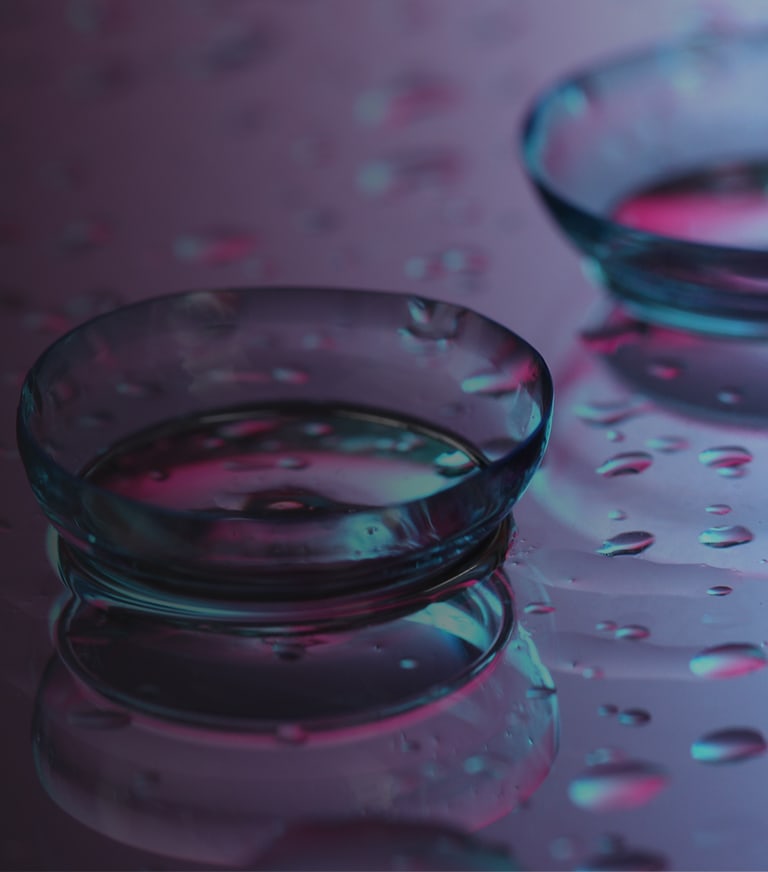
Contact lenses are small plastic discs worn to correct refractive errors by smoothing the corneal surface. Millions of people worldwide use contact lenses for vision correction for crisp, clear vision without the bulk of eyeglasses.
Contact lenses are medical devices that require proper care to ensure safe and successful long-term wear. Keeping contacts clean is the most critical aspect to avoid eye infections and other eye injuries. Some useful tips to follow are:
- Always wash and dry your hands before touching your eyes and face.
- Always clean and disinfect your contact lenses after removal and before insertion.
- Store your contact lenses in a clean, disinfected contact lens case.
- Replace your contact lens case every 3 months.
- Only use doctor-recommended contact lens solution and disinfectant.
- Always follow the recommended contact lens replacement schedule as prescribed by your eye doctor.
- Remove your contact lenses before sleeping, showering, or swimming.
Types of Contact Lenses
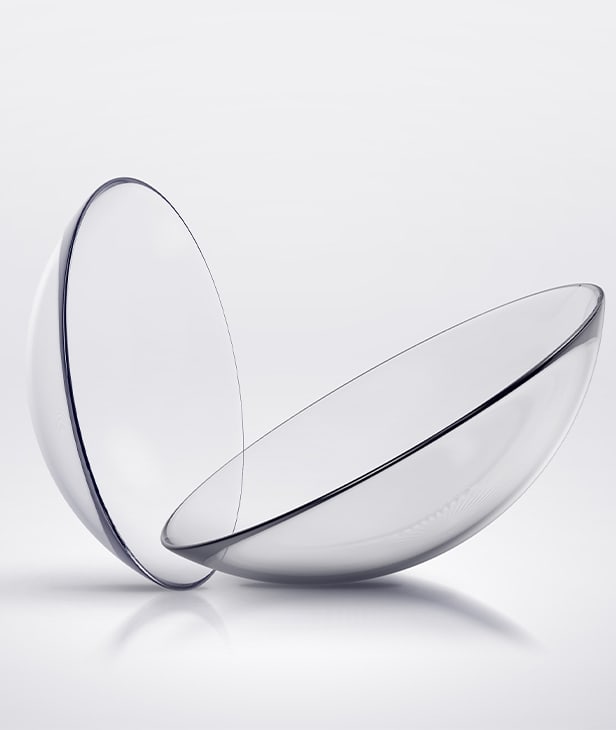
The most common contact lenses are soft contact lenses made of a flexible material called silicone hydrogel. However, we also offer a variety of specialty contact lenses for different eye conditions and hard-to-fit eyes. Some of our specialty lenses include:
Specialty Contact Lenses for Complex Eyes
Not every eye can be corrected comfortably with glasses or standard contact lenses. Custom specialty contact lenses are individually designed to address unique eye shapes, prescriptions, and ocular conditions. We offer specialty contact lens services in North York for a wide range of complex eye conditions.
We provide specialty lens solutions for:
- Keratoconus & irregular corneas
- Orthokeratology (Ortho-K) & myopia control
- Post-LASIK corneas
- Corneal transplants
- Corneal trauma & scarring
- Severe dry eye & ocular surface disease
- High prescriptions & astigmatism
- Prosthetic & therapeutic tinted lenses
- Pediatric aphakia
All specialty contact lenses are custom-designed and fitted to each patient’s individual needs. Lens selection and treatment options vary on a case-by-case basis following a comprehensive assessment.
Large-diameter, rigid lenses that vault the cornea and rest on the white of the eye. Scleral lenses are especially helpful for keratoconus, corneal transplants, post-LASIK corneas, and severe dry eye.
Specialty overnight contact lenses that gently reshape the cornea to temporarily correct myopia while you sleep, leaving you glasses and contact lens-free throughout the day.
Ortho-K can also be used as a strategy for myopia control in children and teens and for vision correction in adults.
Small, rigid gas permeable lenses that provide crisp, stable vision by creating a smooth optical surface over an irregular cornea. They can be particularly useful for keratoconus, corneal ectasia, and high/irregular astigmatism.
Hybrid lenses combine a rigid gas permeable centre with a soft outer skirt, offering the visual clarity of an RGP with added comfort. They may be an option for keratoconus, irregular corneas, and challenging prescriptions.
Custom-designed soft lenses for complex prescriptions, unusual corneal shapes, and specialized visual needs, including infant aphakia and/or vision correction following cataract surgery.
Custom-designed lenses that replicate or enhance the appearance of the eye. Prosthetic and cosmetic lenses can be custom-coloured to match the natural iris and may be used for iris abnormalities, ocular albinism, corneal scarring, eye trauma, and cosmetic concerns.
Specialized tinted lenses designed to reduce photophobia, light sensitivity, and visual discomfort. Therapeutic tints may be helpful for patients with concussion or brain injury, migraine, or light-induced visual symptoms.
Contact Lens Fittings
To evaluate your eyes properly for contact lenses, we’ll perform a few tests to ensure you source the best brand for your eyes. Ill-fitting contact lenses can cause permanent damage to your eyes and even vision loss.
Corneal topography is a diagnostic tool used to measure the curvature of your cornea. The scan works in a similar way to measuring a mountain on a topographic map by evaluating any irregular bumps on your cornea.
Optical coherence tomography is a noninvasive imaging technology used to obtain high-resolution images of the retina. The images are a cross-section view of the retina to show the retina’s different layers and their thickness.

Helping You See
Our technologies allow us to detect and diagnose certain corneal irregularities and other eye conditions that may require specific specialty contact lenses. Please give us a call if you have any questions!
Request Appointment
You’re Worth Seeing
What’s Trending



Our Brands





Check us out on Instagram



You’re Worth Seeing
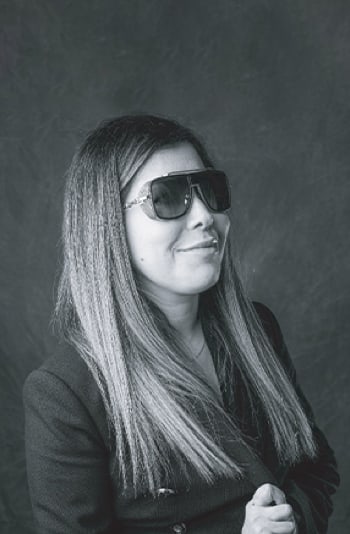
Sepi
Optician

Dr Jordan Friedman
Optometrist

Sarah
Pre-Service Technician
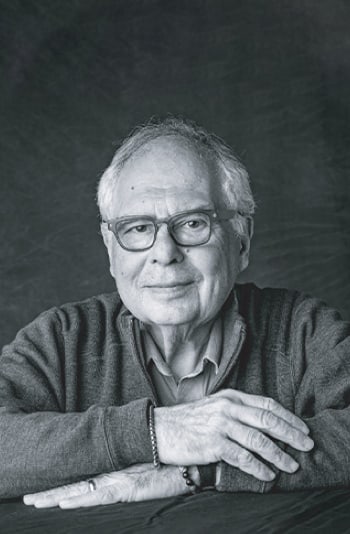
Dr Stan Salsberg
Visionary
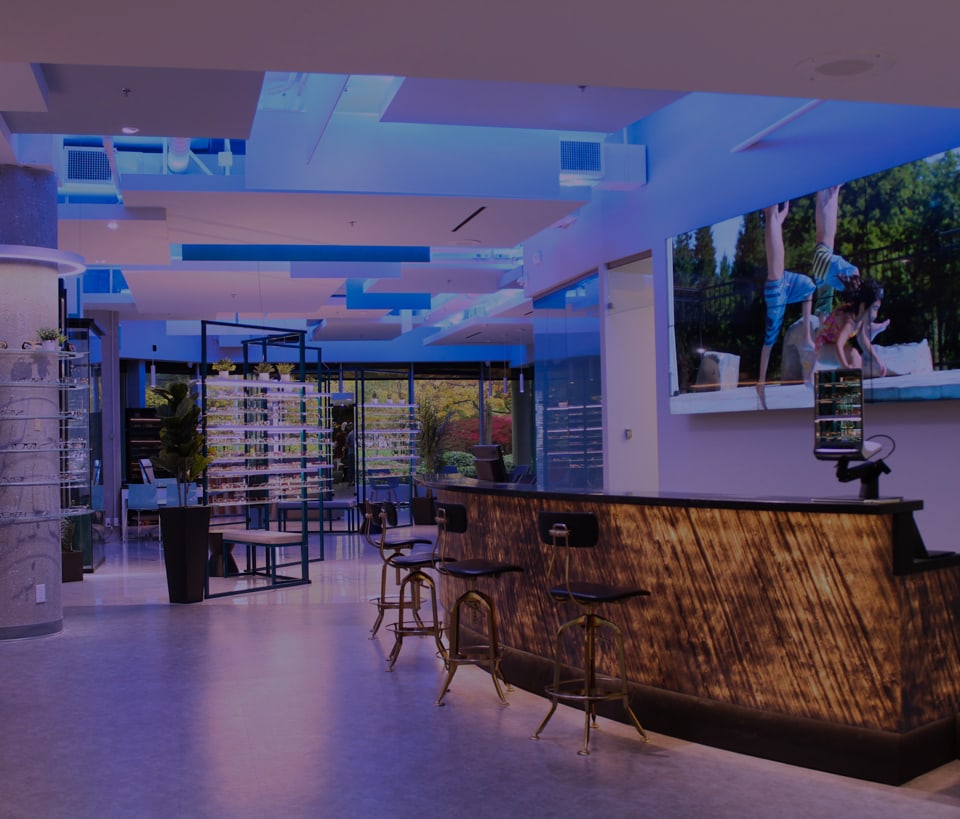
Visit Our Office
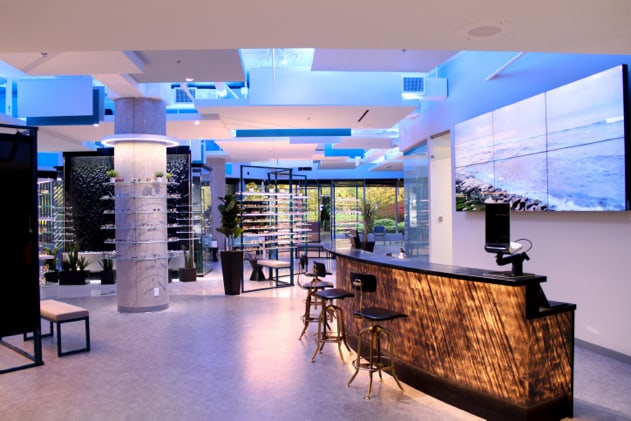
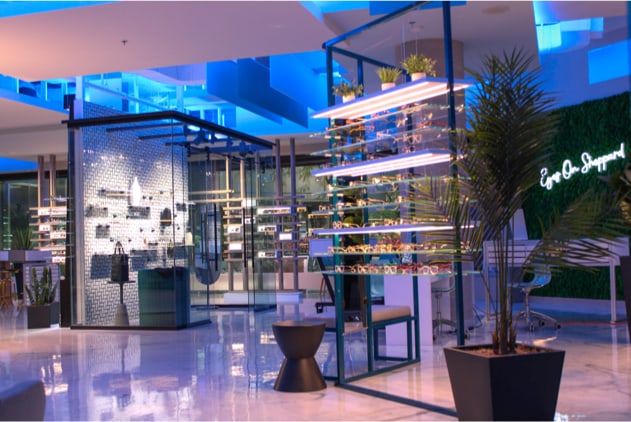
You can find our beautiful new office at 90 Sheppard Avenue East in North York. Access the building’s parking lot just off of Sheppard Ave East onto the Parkway, around the back of the building. You can also access the Parkway by Doris Avenue, just past the Toronto Catholic School Board.
We offer complimentary parking for patients who sign in at our front desk.
Contact Information
- Phone: 416-733-4444
- Fax: 416-733-3353
- Email: [email protected]
Address
- 90 Sheppard Avenue East
- North York, Ontario M2N 3A1
Hours of Operation
- Monday: 9:00 AM – 7:00 PM
- Tuesday: 9:00 AM – 8:00 PM
- Wednesday: 9:00 AM – 7:00 PM
- Thursday: 9:00 AM – 7:00 PM
- Friday: 9:00 AM – 1:00 PM
- Saturday: 9:00 AM – 1:00 PM
- Sunday: Closed







Google Reviews